PTFE Fabric Market Insights 2026: Balancing Cost, Quality, and Customization in Industrial Applications
As we look into the global PTFE fabric market in 2026, the demand for high-performance composite materials is surging across various sectors. With rapid advancements in industrial automation and clean energy, businesses are heavily relying on durable PTFE coated fiberglass fabrics to keep their operations running smoothly.
However, a major pain point plagues the current market: the influx of inferior products driven by fierce price wars. Purchasing cheap, low-quality PTFE fabrics often leads to frequent machine downtime, torn conveyor belts, and peeling materials—ultimately costing manufacturers far more than the initial savings. To navigate this landscape successfully, buyers must learn how to balance cost, quality, and customization.
As illustrated in the life-cycle cost comparison above, although the initial purchase cost of premium PTFE fabric is slightly higher, it eliminates frequent replacement expenses and costly machine downtime. In the long run, choosing high-quality materials reduces the overall operating cost by more than half, maximizing production efficiency.
What is Driving the PTFE Fabric Market in 2026?
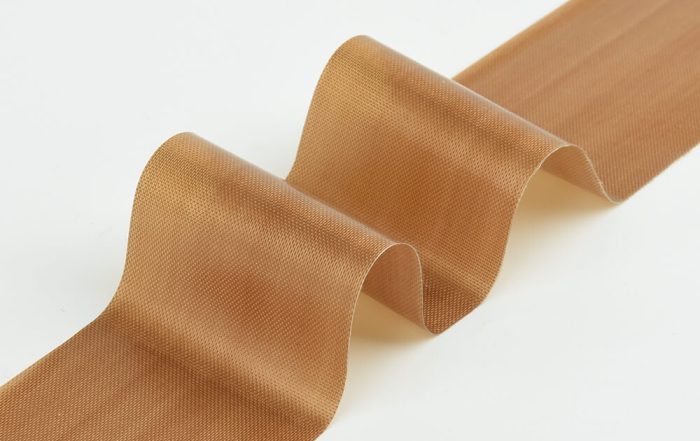
The continuous growth of the PTFE fabric market is primarily driven by modern industries that demand extreme temperature resistance (-70°C to 260°C), chemical stability, and non-stick properties.
Clean Energy and Solar PV Applications:
The continuous growth of the PTFE fabric market is primarily driven by modern industries that demand extreme temperature resistance (-70°C to 260°C), chemical stability, and non-stick properties.
Food Grade Processing & Automation:
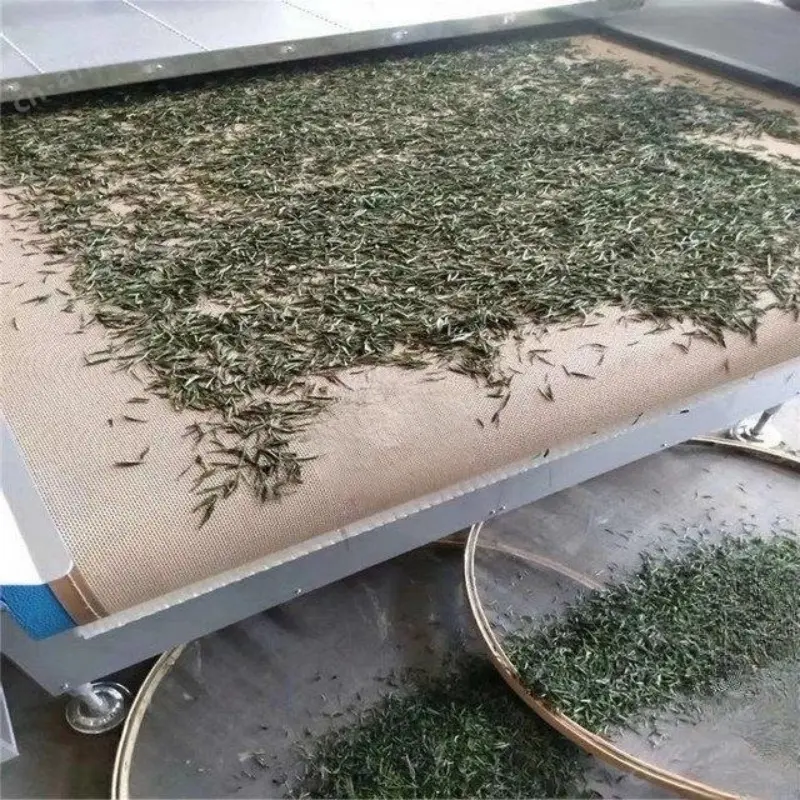
The food processing industry increasingly relies on PTFE mesh conveyor belts for automated tortilla production, meat frying, and microwave drying. These FDA and LFGB approved belts ensure a 100% non-stick, non-toxic, and easy-to-clean surface, greatly enhancing food safety and production efficiency.
Textile, Screen Printing & Packaging:
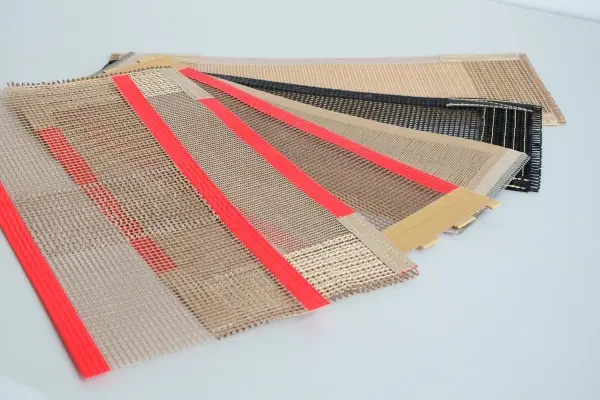
In fast-paced industrial environments, the slow speed of traditional textile drying is a serious bottleneck. PTFE mesh belts are widely used in UV curing machines, shrinking machines, and heat sealers due to their high tensile strength and excellent air permeability, making the drying process much more economical.
Buyer’s Guide: How to Distinguish Premium PTFE Fabric from Inferior Ones
In a crowded PTFE fabric market, some manufacturers dilute the PTFE raw materials in the emulsion tank to cut costs, resulting in a dull surface coating and significantly reduced service life. As a source factory whose chief engineer has over 50 years of experience in the composite industry, we recommend the following practical tests to ensure you are buying quality materials:
1. The Folding Test
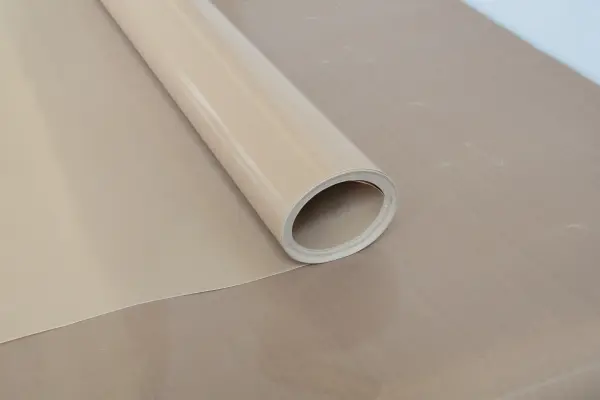
Take two A4 size samples from different suppliers and fold them in the middle. Observe which conveyor belt exposes the underlying glass fiber first after the same number of folds. A good PTFE coating will remain intact and show better adhesion to the fiberglass.
2. The Non-Stick Test
Press chewing gum, flour dough, or strong adhesive materials onto the fabric surface. Premium PTFE fabrics will allow you to tear these sticky substances off easily without leaving any residue behind.
3. The High-Temperature Degumming Test
For PTFE adhesive tapes, expose the tape to 260°C for half an hour. High-quality tapes will not exhibit residual glue or degumming, whereas poorly manufactured tapes will quickly fail and leave sticky residues on your equipment.
Why “One-Size-Fits-All” Fails: The Importance of Customization
Every production line is unique, which is why standard off-the-shelf products cannot satisfy the diverse and strict needs of the 2026 PTFE fabric market. Professional factories provide tailored solutions to match specific equipment requirements.
Thickness and Mesh Sizes: Depending on the application, woven PTFE fabrics can range from 0.08mm to 1.10mm in thickness. Meanwhile, PTFE mesh conveyor belts offer customized mesh sizes like 1x1mm, 2×2.5mm, 4x4mm, and 10x10mm.
Joints and Edge Reinforcements: Details determine the lifespan of a conveyor belt. Using the right joint—such as a reinforced bull nose joint, overlapping joint, or steel buckle—combined with Kevlar cloth or PTFE film edge covering, effectively prevents the belt from slipping or deviating during high-speed operation.
Find Your Perfect Material Match
Input your actual production line operating conditions to instantly generate your optimized PTFE material and craftsmanship profile.
Partnering with a Reliable Source Factory
Navigating the PTFE fabric market requires a deep understanding of your production environment and material limits. Choosing a source factory like Jiujiang PTFE, which offers direct sales without middlemen, ensures you receive premium quality at a highly competitive price. We actively promote new product development and provide comprehensive OEM and ODM services for all Teflon products.
Need to verify our quality? We provide free A4 size samples for our high-temperature cloths, conveyor belts, and sheets, as well as roll samples for our PTFE adhesive tapes (controlled within 1KG).